
The internet hosts over 1.1 billion websites, yet roughly 80% of them haven’t been updated in the past year. They sit frozen in digital time, digital ghosts of abandoned projects and forgotten ambitions. WordPress powers a significant portion of these silent corners. This reality frames a complicated question for anyone considering building something new in 2026.
Table of Contents for WordPress in 2026
The Endurance Paradox
WordPress turns twenty-three years old in 2026. In internet years, that is ancient history. The platform predates the iPhone, predates widespread social media, and predates the entire concept of an “app store.” Yet it still claims over forty percent market share. This longevity is either a testament to its foundational strength or evidence of an industry unwilling to let go. The truth likely sits somewhere uncomfortably between.
The conventional advice suggests newer platforms are cleaner, faster, and more secure. They are built with modern architectures, devoid of legacy code. But this overlooks something crucial. WordPress has survived precisely because it evolved without abandoning its users. Every update carried forward the work of millions of site owners. This backward compatibility is a burden, yes. It is also a commitment that newer platforms have not yet been forced to keep.
The Complexity Fallacy
We are told simplicity is the ultimate sophistication. Builders flock to sleek website builders promising drag-and-drop ease. They want to avoid the perceived complexity of WordPress. What they discover later is that simplicity often masquerades as rigidity. The drag-and-drop interface becomes a cage. The elegant template cannot accommodate the one feature the business suddenly needs.
I once watched a friend rebuild an entire business site from scratch because his modern platform could not handle a custom booking flow. He had chosen simplicity over flexibility. The time he saved upfront cost him weeks later. WordPress would have required more initial effort. It would also have absorbed the requirement without requiring a restart.
The Ecosystem Reality
WordPress in 2026 is not a single thing. It is a sprawling ecosystem of themes, plugins, hosting environments, and development approaches. The mistake people make is treating it as a monolith. Asking whether WordPress is worth using is like asking whether air travel is worth it. It depends entirely on the destination, the budget, and the tolerance for delays.
The plugin repository now contains over sixty thousand options. This abundance is overwhelming. It is also why WordPress remains adaptable to nearly any use case. A simple blog, a membership site, a directory, an online course platform, a community forum. These are not separate products. They are configurations of the same core system. The learning curve is front-loaded. The payoff arrives when requirements shift unexpectedly.
The Ownership Question
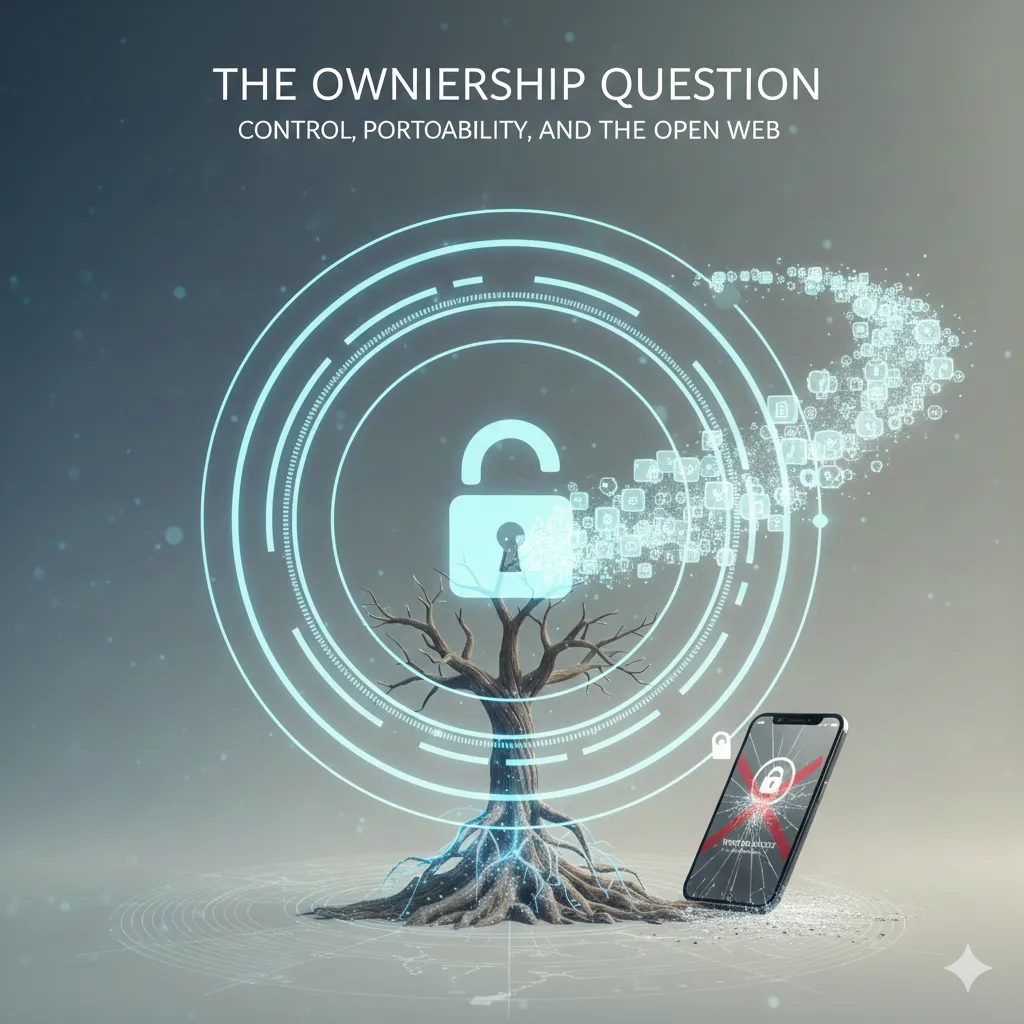
There is a quieter consideration beneath the technical debates. It concerns control. When you build on a proprietary platform, you are borrowing space. The terms can change. Pricing models shift. Features disappear overnight. Entire companies get acquired and dismantled. WordPress, by contrast, is governed by a foundation. The code is open. Your content can be exported and moved. This distinction matters more as the web consolidates into fewer corporate hands.
The subtle human error is assuming permanence. We build on platforms assuming they will always exist, always remain affordable, and always serve our interests. History suggests otherwise. The graveyard of once-popular services is littered with sites that vanished when their platforms did. WordPress offers no guarantees of immortality. It does offer the ability to take your work elsewhere. That portability has value, even if it remains unused.
The Performance Trade
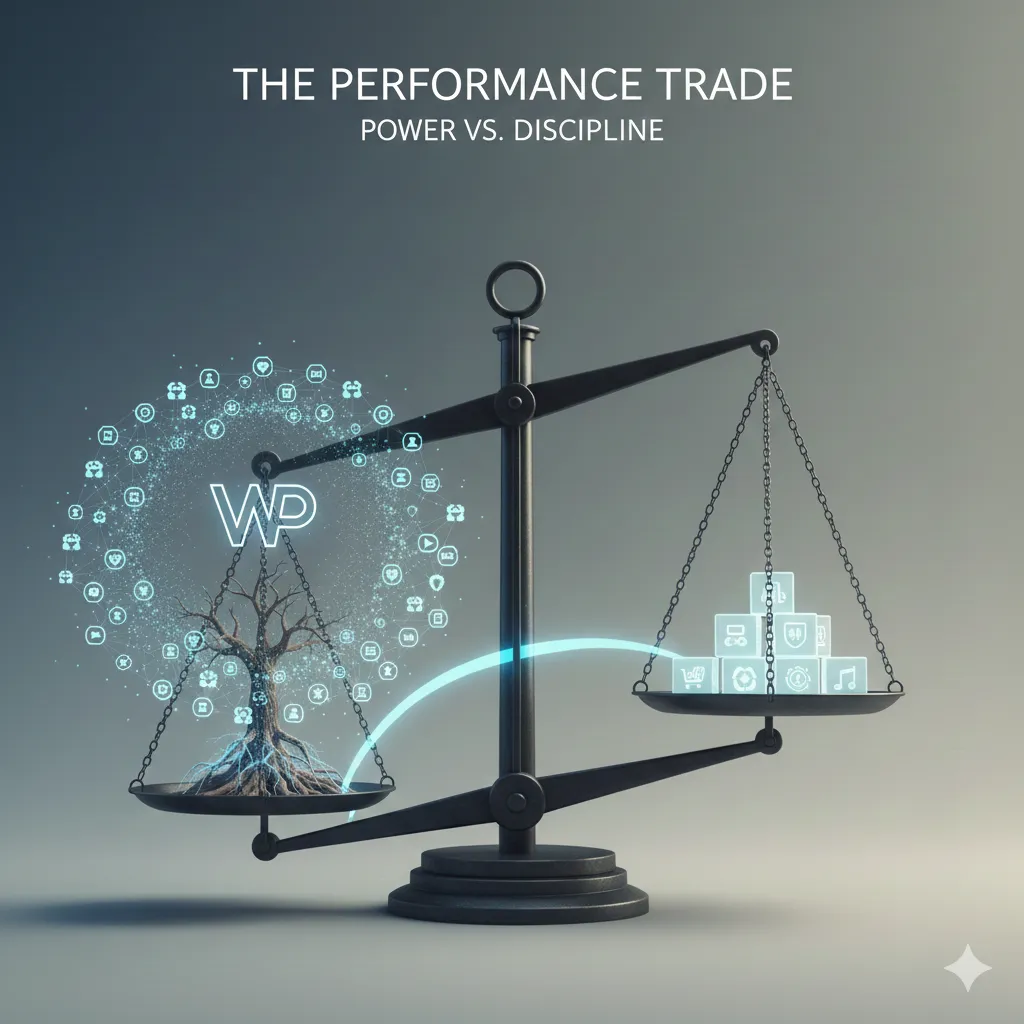
Critics rightly point to WordPress performance concerns. Bloated themes, excessive plugins, slow databases. These are real problems. They are also choices, not inherent limitations. A well-architected WordPress site can outperform many static builders. Caching, content delivery networks, modern hosting, optimized images. These techniques are available to anyone willing to implement them.
The issue is discipline. WordPress makes it easy to add functionality without considering cost. Install a plugin for everything, and the site eventually groans under the weight. This is not a platform failure. It is a user behavior pattern. The same lack of discipline on a different platform results in different problems. Overwhelming complexity, vendor lock-in, subscription bloat. The grass is rarely greener. It is just a different shade of maintenance.
The Community Asset
WordPress conferences occur on every continent except Antarctica. Local meetups gather monthly in hundreds of cities. The documentation spans decades of accumulated knowledge. When something breaks, someone has almost certainly encountered it before. This collective intelligence is difficult to quantify. It becomes apparent only when you need it.
Newer platforms offer sleek interfaces and responsive support tickets. They rarely offer a global community of volunteers building translation files, writing accessibility patches, and fixing obscure bugs at two in the morning. This infrastructure operates silently until the moment it saves a project from failure.
The Decision Framework
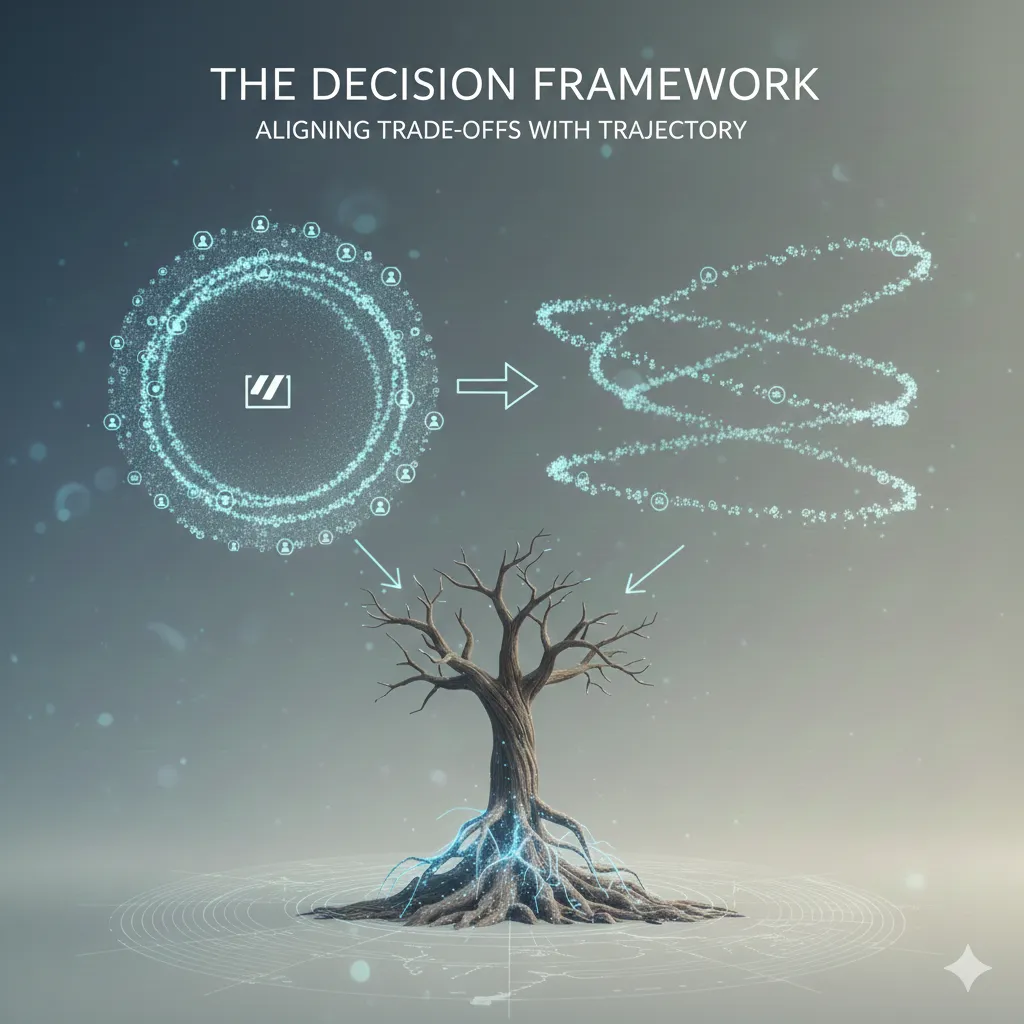
Whether WordPress makes sense in 2026 depends on a few honest answers. What is the expected lifespan of the project? Will requirements remain static or evolve unpredictably? How much control over the future matters? Is the initial learning investment acceptable for long-term flexibility? These questions precede the technical ones.
The platform excels for projects that anticipate change. It struggles for projects that demand an immediate, friction-free launch with zero ongoing maintenance. The choice is not about which tool is objectively better. It is about which trade-offs align with your particular trajectory.
The Reframe
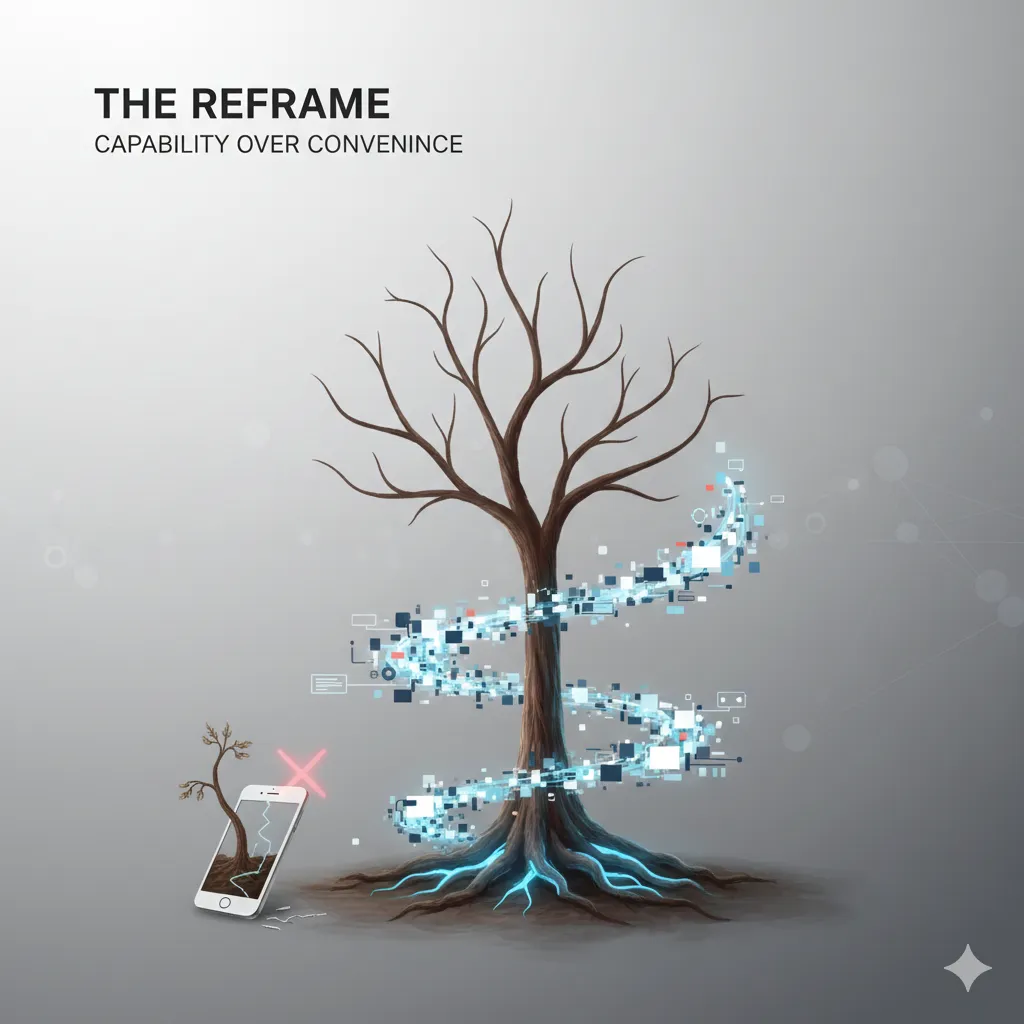
Perhaps the question itself needs adjustment. Not whether WordPress is worth starting with in 2026, but whether the relationship with technology should be one of convenience or capability. The easy platforms ask nothing of you and give little back. WordPress demands something upfront and offers room to grow in return.
The internet does not need more abandoned sites frozen in time. It needs thoughtful spaces that can adapt as their owners learn, pivot, and expand. WordPress remains one of the few platforms that grows alongside its users rather than leaving them behind when their needs exceed the original design. That alone makes the conversation worth having.